The World of 16-bit RPGs: A Sega Mega Drive Odyssey
Welcome, seasoned adventurers and nostalgic dreamers, to GamingSkillVault – your ultimate sanctuary dedicated to the golden era of 16-bit role-playing games on the legendary Sega Mega Drive. This is a place where epic tales unfolded, where magic was tangible, and where every dialogue choice felt monumental. We delve deep into the intricate worlds, the challenging combat, and the unforgettable characters that defined a generation of gamers. This site is for those who spent countless hours meticulously leveling up heroes in Phantasy Star and Shining Force, navigating vast, pixelated maps, and conquering formidable foes, all without the luxury of modern guides or instant saves. Prepare to rekindle your passion for the games that demanded patience, rewarded perseverance, and forged indelible memories in the hearts of true RPG connoisseurs. Join us as we journey back to an age where every quest was an epic saga, every discovery a triumph, and every game a timeless masterpiece waiting to be rediscovered. We celebrate the unique charm, the groundbreaking mechanics, and the sheer joy of classic RPGs that continue to captivate us decades later. From the sprawling dungeons to the intricate character development, we explore every facet that made these games truly special. Relive the magic, share your stories, and immerse yourself once more in the rich tapestry of 16-bit RPG history. This is more than just a blog; it's a living archive, a tribute to the games that shaped our gaming souls and continue to inspire new generations of adventurers. Let the journey begin!
The Genesis of Greatness: What Made Sega RPGs Truly Special
In the grand tapestry of 16-bit gaming, RPGs on the Sega Mega Drive carved out a distinct and revered niche, often standing in stark contrast to their counterparts on other consoles, particularly the Dendy. While Dendy offered charming, albeit simpler, RPG experiences, the Mega Drive pushed boundaries with its more sophisticated hardware and ambitious game design. The most immediate distinction was the sheer scale: Sega RPGs boasted expansive worlds, intricate overworlds, and sprawling dungeons that felt genuinely epic. This was often coupled with a crucial innovation for the era: reliable save systems. No longer were players tethered to password screens or forced to complete an entire quest in one sitting; the ability to save progress allowed for deeper immersion and longer play sessions, fostering a stronger connection to the narrative and characters. This technological leap enabled developers to craft truly profound narratives. Sega RPGs were renowned for their intricate plots, complex character development, and moral dilemmas that resonated with players on a deeper level. They often tackled mature themes, offering storytelling depth that was unprecedented for console games of the time. The narratives were not just backdrops for combat; they were the very heart of the experience, driving players forward through hours of exploration and strategic battles. The unique sound chip of the Mega Drive also played a pivotal role, delivering a distinct musical style that ranged from epic orchestral scores to moody, atmospheric tracks. This aural landscape, combined with the console's vibrant, albeit sometimes limited, color palette, created a visual style that was instantly recognizable and deeply immersive. Developers masterfully worked within the hardware limitations, employing creative pixel art and clever environmental design to evoke rich, believable worlds. This artistic ingenuity, coupled with the console's raw power, allowed Sega RPGs to feel inherently more 'adult' and sophisticated. They demanded more from the player, both in terms of strategic thinking and emotional investment, solidifying their legacy as a cornerstone of the 16-bit RPG golden age.
The limitations of the hardware, far from being a hindrance, often spurred creative solutions that defined the unique character of Sega's RPGs. Developers had to be ingenious with their sprite work, background art, and sound design to convey grandiosity within confined technical parameters. This creative approach resulted in games that possessed a distinct charm and identity, often favoring a grittier, more mature aesthetic compared to some of their contemporaries. The perception of Sega RPGs as 'more mature' wasn't just about darker themes; it was also about the complexity of their systems. Character progression, item management, and tactical combat often required careful planning and a deeper understanding of game mechanics. This challenge, combined with the expansive worlds and compelling narratives, created an experience that felt more substantial and rewarding. For many, these games were a rite of passage, teaching patience, problem-solving, and the profound satisfaction of overcoming truly difficult obstacles. They weren't just games; they were journeys into richly imagined digital realms, where every victory was hard-earned and every story beat left a lasting impression. This blend of technical prowess, artistic vision, and challenging gameplay cemented Sega's position as a powerhouse in the RPG genre, leaving an indelible mark on gaming history.
Iconic Adventures: The Best RPGs on Sega Mega Drive
Phantasy Star II, III & IV
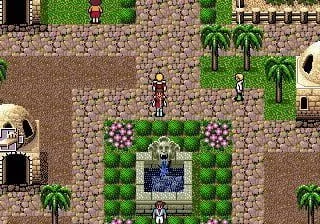
The Phantasy Star series stands as a monumental achievement in the history of console RPGs, with its Mega Drive entries (II, III, and IV) representing the pinnacle of its narrative ambition and world-building. Phantasy Star II, released in 1989, was revolutionary for its dark, sci-fi fantasy setting and a deeply tragic storyline, challenging players with its unforgiving difficulty and complex dungeon designs. It set a new standard for storytelling in the genre, introducing characters with genuine depth and a world facing ecological collapse. Phantasy Star III: Generations of Doom, while often seen as the black sheep due to its generational storyline and different tone, offered a unique branching narrative that allowed players to marry and have children, influencing the protagonist of the next generation. This innovative approach to storytelling was far ahead of its time. However, it was Phantasy Star IV: The End of the Millennium (1993) that truly cemented the series' legendary status. Combining the best elements of its predecessors, PSIV delivered a sprawling, epic narrative that masterfully wove together sci-fi and fantasy, featuring a memorable cast of characters, a refined combat system, and stunning anime-style cutscenes. Its intricate plot, exploring themes of ancient evil, environmentalism, and destiny, remains one of the most compelling in RPG history. The series is celebrated for its deep lore, innovative mechanics like macro commands in combat, and its consistent ability to push the boundaries of what was expected from console RPGs. Each installment, in its own right, offered a unique and unforgettable journey through the Algo Star System, leaving an indelible mark on players who dared to explore its depths. These games weren't just about saving the world; they were about understanding it, fighting for it, and ultimately, becoming a part of its enduring legacy. Phantasy Star is a testament to Sega's commitment to delivering rich, immersive experiences.
Shining Force I & II
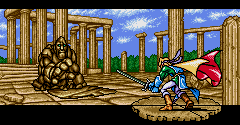
The Shining Force series defined tactical RPGs for a generation, offering a unique blend of strategic combat, charming characters, and engaging narratives. Shining Force: The Legacy of Great Intention (1992) introduced players to the continent of Runefaust, where a band of heroes, led by the silent protagonist Max, must thwart the ambitions of the evil Darksol. What set Shining Force apart was its innovative grid-based tactical combat, where players commanded a diverse army of characters, each with unique abilities and classes. The game masterfully balanced challenging battles with approachable mechanics, making it a perfect entry point for strategy RPGs. Its charming sprite work, memorable musical score, and the ability to recruit a wide array of fantastical creatures and warriors made every playthrough a joy. Shining Force II: The Ancient Seal (1993) built upon the success of its predecessor, expanding the world, refining the combat, and delivering an even grander adventure. With a more fluid overworld exploration and a deeper character customization system, SFII is often hailed as one of the finest tactical RPGs ever made. The story follows Bowie and his companions as they battle to prevent the resurrection of Zeon, a powerful demon. Both games are celebrated for their endearing characters, many of whom are optional recruits, adding immense replayability and strategic depth. The sense of camaraderie and the emotional investment players developed in their 'Force' were central to the appeal. The games' ability to seamlessly blend epic fantasy with accessible turn-based strategy ensured their place as timeless classics. They offered not just battles, but grand campaigns, where every decision on the battlefield felt significant, and every victory was a testament to careful planning and teamwork. The enduring legacy of Shining Force lies in its ability to create a truly immersive and strategically rewarding experience that continues to captivate fans decades later.
Landstalker: The Treasures of King Nole
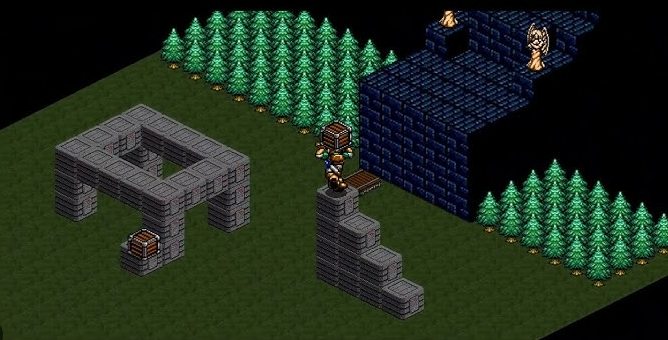
Landstalker: The Treasures of King Nole (1992) stands out as a unique gem in the Sega Mega Drive's RPG library, blending action-adventure with intricate puzzle-solving in a vibrant isometric 3D world. Players take on the role of Nigel, a treasure hunter, who, along with his dryad companion Friday, embarks on a quest for the legendary treasures of King Nole on the mysterious island of Mercator. What truly sets Landstalker apart is its ingenious level design and emphasis on environmental puzzles. Navigating the isometric perspective required a keen eye and precise platforming skills, often leading to moments of delightful frustration and immense satisfaction upon solving a particularly tricky sequence. The game's combat system, while simpler than a traditional RPG, was engaging and required careful positioning and timing against a variety of fantastical creatures. Beyond its gameplay mechanics, Landstalker boasts a charming and often humorous narrative, filled with quirky characters, witty dialogue, and unexpected twists. Nigel and Friday's banter adds a lighthearted touch to the perilous journey, making the world feel alive and engaging. The game's vibrant graphics and memorable soundtrack contribute to its distinctive atmosphere, drawing players deep into Mercator's secrets. Landstalker is a testament to the Mega Drive's versatility, proving that RPGs didn't have to adhere strictly to turn-based combat or top-down perspectives. It offered a fresh, action-oriented take on the genre, challenging players not just with enemies, but with their own spatial reasoning and problem-solving abilities. Its legacy is one of innovation and a truly unique gameplay experience that remains highly regarded by fans of classic action-RPGs. The blend of exploration, combat, and brain-teasing puzzles makes Landstalker an unforgettable adventure that continues to charm new generations of players.
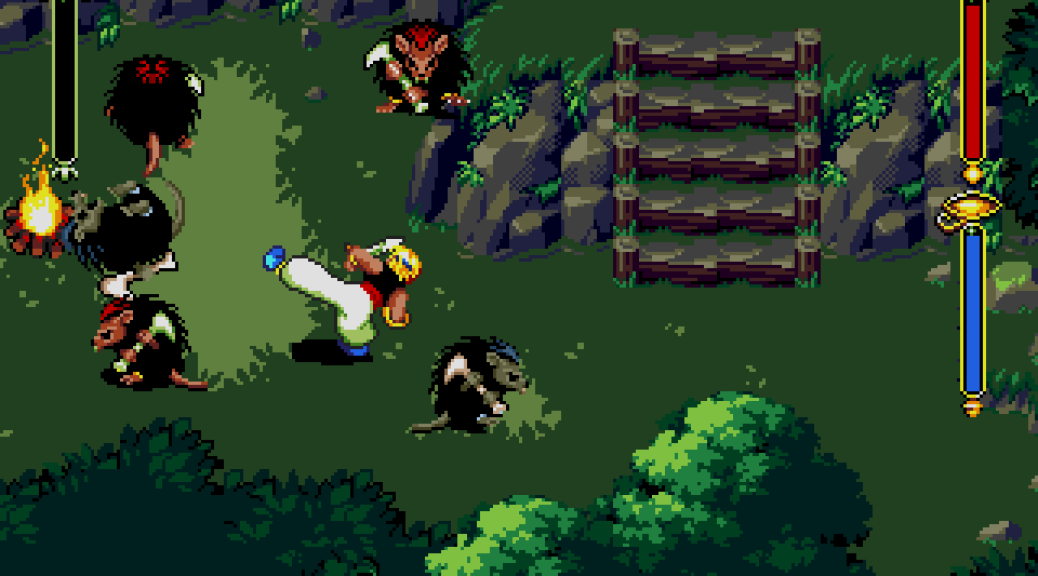
Beyond Oasis (Story of Thor)
Beyond Oasis, known as The Story of Thor in Europe (1994), is a magnificent action-RPG that pushed the boundaries of what the Sega Mega Drive could achieve, particularly in terms of graphics and fluid combat. Players control Prince Ali, who discovers a mysterious gold armlet that once belonged to an ancient wizard. This discovery thrusts him into a quest to find its counterpart, a silver armlet, and prevent a great evil from consuming the land. The game is celebrated for its stunning visuals, featuring large, detailed sprites, vibrant environments, and impressive special effects that were a marvel for the 16-bit era. The combat system is a highlight, offering fast-paced, real-time action with a wide array of weapon types and special moves. Ali can perform intricate combos and utilize various items, making each encounter dynamic and engaging. What truly sets Beyond Oasis apart is its innovative spirit summoning mechanic. By using elemental power sources found in the environment (water, fire, shadow, plant) with the gold armlet, Ali can summon powerful spirits to aid him in battle and solve environmental puzzles. Each spirit has unique abilities, adding a layer of strategic depth to both combat and exploration. The game's narrative, while perhaps not as sprawling as some traditional RPGs, is compelling and drives the action forward, immersing players in Ali's quest. The rich world, filled with secrets, hidden paths, and challenging boss battles, encourages thorough exploration. Beyond Oasis is often compared to The Legend of Zelda series due to its action-adventure elements and emphasis on exploration, but it carves out its own identity with its unique combat and summoning system. It remains a testament to the Mega Drive's capacity for delivering high-quality, engaging action-RPGs, offering an unforgettable journey filled with magic, mystery, and thrilling combat. Its legacy is one of a technical and artistic masterpiece that still holds up today.
Clash of Styles: Turn-Based vs. Action-RPGs on Sega
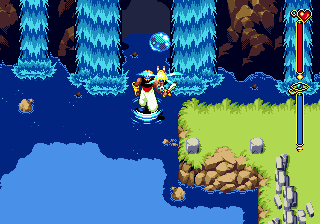
Shining Force vs. Beyond Oasis
The contrast between Shining Force and Beyond Oasis perfectly encapsulates the two dominant styles of RPGs on the Sega Mega Drive: methodical turn-based strategy versus dynamic real-time action. Shining Force, a quintessential tactical RPG, thrives on deliberate planning and strategic foresight. Its grid-based combat system demands players carefully consider unit placement, attack ranges, and enemy vulnerabilities. The pace is slow and contemplative, allowing for deep tactical thinking before each move. Every turn is a puzzle, and success hinges on anticipating enemy actions and maximizing your army's potential. The involvement is intellectual, requiring players to manage resources, character classes, and battlefield control. In stark opposition, Beyond Oasis plunges players into a world of immediate, visceral action. Combat is fluid, fast-paced, and relies heavily on player reflexes, timing, and mastery of Ali's varied arsenal and spirit summons. There's little time for contemplation; decisions are made in the heat of battle, demanding quick thinking and agile execution. The involvement here is physical and reactive, focusing on moment-to-moment combat prowess and environmental interaction. While both offer rich worlds and engaging quests, their approaches to player engagement are fundamentally different, appealing to distinct preferences within the RPG community. Shining Force offers the satisfaction of a well-executed strategy, while Beyond Oasis delivers the thrill of continuous, high-energy combat. Each game is a masterclass in its respective sub-genre, demonstrating the versatility of the Mega Drive's RPG offerings.
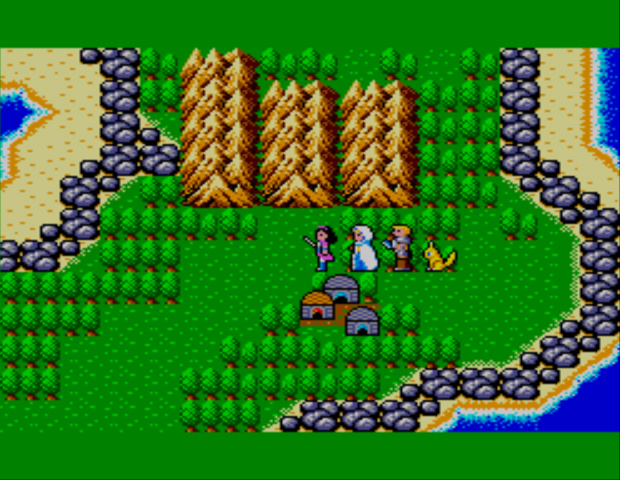
Phantasy Star vs. Landstalker
Another compelling comparison arises between the traditional JRPG grandeur of Phantasy Star and the action-adventure RPG mechanics of Landstalker. The Phantasy Star series, particularly its later Mega Drive installments, epitomizes the classic turn-based RPG experience. The tempo of the game is measured, driven by extensive dialogue, narrative progression, and menu-driven combat. Players engage in turn-by-turn battles, carefully selecting commands for each party member, managing magic points, and strategizing against enemy formations. Tactical thinking is paramount, but it's a cerebral, long-term tactical thinking focused on party composition, equipment, and grinding. Player involvement is deeply narrative and strategic, demanding patience and a commitment to understanding complex lore and character arcs. Landstalker, on the other hand, breaks from this mold with its isometric perspective and real-time action. The game's tempo is dictated by exploration and environmental puzzle-solving, often requiring precise platforming and quick reflexes. Combat is direct and immediate; players directly control Nigel, swinging his sword and dodging enemy attacks in real-time. Tactical thinking in Landstalker is more about spatial awareness, timing attacks, and manipulating the environment to overcome obstacles. Player involvement is much more hands-on and action-oriented, emphasizing dexterity and problem-solving within its unique 3D world. Both games offer vast worlds to explore and treasures to uncover, but their core gameplay loops and the type of engagement they demand from the player are vastly different. Phantasy Star offers an epic, story-driven saga, while Landstalker provides an inventive, action-packed adventure with a strong emphasis on environmental interaction and exploration. This duality showcases the rich diversity within the Mega Drive's RPG landscape, catering to a broad spectrum of player preferences.
The Soul of the Adventure: Music, Leveling, and 90s RPG Atmosphere
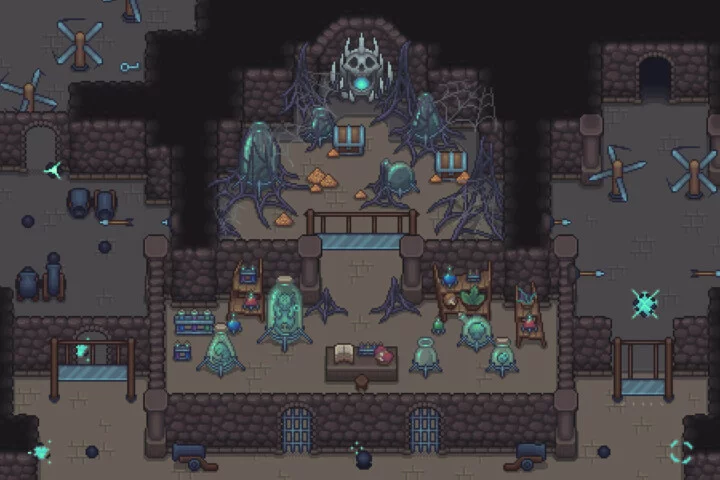
The magic of 90s RPGs on the Sega Mega Drive wasn't just in their stories or combat; it was in the intricate weave of elements that created an unparalleled atmosphere, drawing players into their worlds for hours on end. Central to this immersion was the music. Dungeon themes, in particular, were masterpieces of chip-tune composition, often haunting, mysterious, or intensely dramatic. These tracks didn't just accompany gameplay; they became an integral part of the experience, enhancing the sense of danger, discovery, and epic scale. Who can forget the ominous tones of a Phantasy Star dungeon or the inspiring melodies of a Shining Force battlefield? This sonic landscape, combined with the often-minimalist yet evocative pixel art, allowed players' imaginations to fill in the gaps, creating a far richer world than modern graphics sometimes permit. Then there was the profound satisfaction of character progression. The effect of leveling up a character, seeing their stats increase, and learning new spells or abilities was incredibly addictive. This sense of tangible growth, often hard-earned through countless battles, fostered a deep connection between player and avatar. It wasn't just about numbers; it was about watching your heroes evolve, becoming stronger and more capable of facing the next great challenge. This progression felt earned, a direct result of your dedication and strategic choices. The absence of ubiquitous auto-saves meant that every decision, every battle, and every step into the unknown carried real weight. The feeling of progress was palpable, a constant reward for perseverance.
This combination of elements created a unique sense of 'stickiness' that made these RPGs so captivating. Players didn't just play them; they lived them. The atmosphere of travel, the anticipation of discovering a new town, the dread of entering a perilous dungeon – these emotions were amplified by the deliberate pace and the lack of hand-holding. There was a genuine sense of adventure, of truly embarking on a journey into the unknown. The world felt vast and dangerous, and every small victory, every new piece of equipment, every gained level contributed to an overarching feeling of accomplishment. It was an era where games respected the player's intelligence and patience, rewarding exploration and strategic thinking. The long, winding quests, the deep lore, and the personal investment in your party's fate all contributed to an atmosphere that transcended mere entertainment. These games created worlds that players truly wanted to inhabit, fostering a sense of wonder and attachment that few modern titles can replicate. It was a time when the journey was as important as the destination, and the memories forged in those 16-bit realms continue to resonate deeply with fans today.
Editor's Choice: Our Top RPG Selections
At GamingSkillVault, we've spent countless hours revisiting the classics, arguing passionately over their merits, and ultimately, curating our definitive lists of the best RPG experiences on the Sega Mega Drive. These aren't just games; they're milestones, each offering something truly special that resonates with the core spirit of 16-bit adventuring. From narratives that kept us glued to the screen for days to progression systems that demanded dedication, here are some of our top picks, designed to celebrate the diverse and rich landscape of retro RPGs. Whether you're a seasoned veteran looking to reminisce or a curious newcomer eager to explore the roots of the genre, these selections represent the very best that the Mega Drive had to offer. Each game on these lists has been chosen for its enduring quality, its impact on the genre, and its ability to transport players to unforgettable worlds. Dive in and discover why these titles continue to hold a special place in the hearts of RPG enthusiasts worldwide.
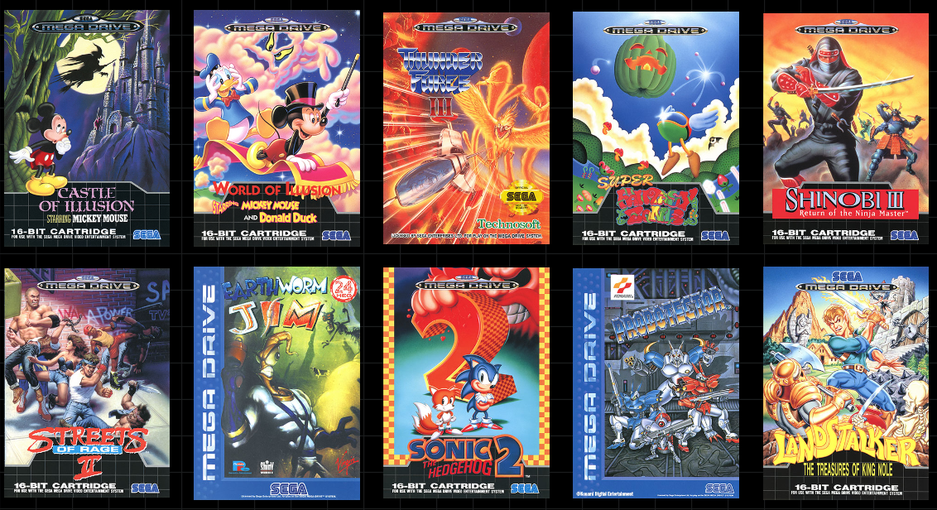
Top-5 RPGs with the Best Story
- Phantasy Star IV: The End of the Millennium: A grand finale with a rich, interwoven narrative spanning generations and galaxies. Its epic scope and emotional depth are unparalleled.
- Shining Force II: The Ancient Seal: A classic tale of good vs. evil, but with charming characters and surprising twists that make the journey truly memorable.
- Beyond Oasis: While more action-oriented, its compelling mystery, ancient artifacts, and unique spirit-summoning lore create a captivating storyline.
- Story of Thor 2 (Crusader of Centy): Often overlooked, this Zelda-like RPG offers a charming and surprisingly deep narrative with talking animals and environmental messages.
- Lunar: The Silver Star (Sega CD): A quintessential JRPG with a heartwarming story of a young boy's journey to become a dragon master, filled with memorable characters and beautiful cutscenes.
These titles demonstrate the narrative prowess possible on 16-bit hardware, delivering tales that resonate long after the credits roll.
Top-5 RPGs with the Hardest Leveling
- Phantasy Star II: Famously brutal, requiring extensive grinding in its labyrinthine dungeons just to survive the next encounter. Patience is a virtue here.
- Shadowrun: While an action-RPG, its character development system demands careful allocation of limited resources and a deep understanding of its complex mechanics.
- Buck Rogers: Countdown to Doomsday: A sci-fi RPG with a steep difficulty curve and a need for constant character optimization to progress.
- Sword of Vermilion: An early action-RPG that requires significant time investment to build up your character's strength and gear to stand a chance against its bosses.
- King's Bounty (Sega Mega Drive): A strategy-RPG where building and maintaining your army is a constant, challenging endeavor, demanding careful resource management and tactical prowess.
For those who relish a true challenge and the satisfaction of hard-earned power, these games are a testament to perseverance.
Top-3 Underrated RPGs on Sega
- Warsong (Langrisser I): A tactical RPG with a compelling story and unique commander-based combat, often overshadowed by its more famous peers.
- Dragon Slayer: Eiyuu Densetsu: A traditional JRPG with a captivating story and solid mechanics, deserving of more recognition for its contribution to the genre.
- Light Crusader: From the creators of Treasure, this action-RPG combines isometric exploration with challenging puzzles and engaging combat, offering a fresh take on the dungeon crawler.
These hidden gems offer incredible experiences that often fly under the radar but are well worth discovering.
Voices from the Past: Player Reviews and Personal Stories
There's nothing quite like the shared experience of retro gaming. Here, players from around the globe share their most cherished memories, first playthroughs, and the enduring emotions tied to the classic RPGs of the Sega Mega Drive. Dive into these personal anecdotes and relive the magic through their eyes.

Liam Smith
"Phantasy Star IV changed my life!"
I remember getting Phantasy Star IV for my birthday. The opening cinematic blew my mind! I spent the entire summer glued to my Sega, exploring every corner of Motavia. The story was so deep, and the characters felt like real friends. Even today, the soundtrack gives me chills. It's an absolute masterpiece that truly defined what an RPG could be on a console. I must have replayed it at least five times, discovering new nuances each time. The feeling of accomplishment after beating Dark Force was immense, a truly epic conclusion to an unforgettable saga. A timeless classic.

Olivia Jones
"Shining Force II was my first tactical love."
Shining Force II was my introduction to tactical RPGs, and it set the bar incredibly high. The strategic depth, combined with the charming sprite work and memorable characters, made every battle a joy. I loved recruiting all the different members for my force, especially the quirky ones like the birdman and the centaur. The story was engaging, but it was the gameplay that kept me coming back. I spent countless hours perfecting my strategies. It's a game that taught me patience and the importance of teamwork. Truly a foundational game for my love of the genre. The sheer variety of units and their unique abilities meant there was always a new strategy to try, keeping the game fresh even after multiple playthroughs. An absolute gem.

Noah Williams
"Landstalker's puzzles were mind-bending!"
Landstalker was a game that constantly challenged my brain. The isometric perspective took some getting used to, but once it clicked, I was hooked. The puzzles were incredibly clever, sometimes frustrating, but always rewarding when I finally figured them out. Nigel and Friday's banter was hilarious, adding a nice touch of humor to the adventure. It wasn't a traditional RPG, but the exploration and sense of discovery were just as strong. I still think about some of those platforming sections! It truly stood out from other games of its era, proving that innovation could lead to unforgettable experiences. The unique blend of action and puzzle-solving made it a truly refreshing title, and one I often recommend to fellow retro enthusiasts. A classic in its own right.

Charlotte Brown
"Beyond Oasis had the best graphics!"
I remember playing Beyond Oasis and being absolutely stunned by the graphics. Prince Ali's sprites were huge, and the animations were so fluid. Summoning the spirits felt incredibly powerful, and figuring out how to use them in different situations was a blast. The combat was fast and exciting, a real adrenaline rush compared to some of the slower RPGs. It felt like a true epic adventure, and I loved exploring every inch of its vibrant world. It was a technical marvel for the Mega Drive and a game that truly showcased what the console was capable of. The elemental summoning system was particularly innovative, adding a strategic layer to the action that kept me engaged throughout. Definitely a highlight of the 16-bit era, and one I revisit often.

James Davis
"Phantasy Star II's difficulty forged me."
Phantasy Star II was a brutal game, no two ways about it. But that difficulty is what made it so rewarding. Every level gained, every new piece of gear felt like a monumental achievement. The story was surprisingly dark and mature for its time, and it really stuck with me. Navigating those massive, confusing dungeons without a map was a true test of patience and memory. It taught me perseverance and the value of grinding. It’s a game that separates the casual players from the true RPG enthusiasts. I wouldn't trade those frustrating but ultimately fulfilling hours for anything. It’s a testament to how challenging games can leave the most lasting impressions, and I appreciate it more with every passing year. A truly hardcore experience.

Mia Miller
"The music of Shining Force is iconic!"
The soundtrack of Shining Force, especially the battle themes, is absolutely iconic. I can still hum them today! The music really elevated the experience, making every strategic encounter feel epic. Beyond the tunes, the tactical gameplay was just so satisfying. Building my army, carefully positioning my units, and watching my strategies unfold – it was pure joy. I loved the variety of characters, from healers to knights to mages, each bringing something unique to the team. It’s a game that perfectly balanced challenge and fun, creating an unforgettable adventure. The emotional connection I formed with my squad was deep, and every victory felt like a shared triumph. It's a game that truly captures the essence of 16-bit tactical RPGs, and one I cherish deeply.

Lucas Wilson
"The generational story of Phantasy Star III was unique."
Phantasy Star III often gets a bad rap, but I genuinely loved its generational storyline. The idea of playing through multiple generations, making choices about who your character marries, and seeing the consequences unfold was incredibly ambitious for its time. It felt like my decisions truly mattered, shaping the future of the world. While the dungeons were a bit repetitive, the narrative concept was groundbreaking and kept me invested. It's a game that dared to be different, and I appreciate its unique approach to storytelling. It may not be everyone's favorite, but it holds a special place in my heart for its innovative narrative structure. It’s a game that challenged conventional RPG tropes, and for that, it deserves more credit. A truly bold experiment in storytelling.

Amelia Moore
"Beyond Oasis's bosses were epic!"
Beyond Oasis had some of the most memorable boss battles on the Mega Drive. They were challenging, visually impressive, and required clever use of Ali's abilities and summoned spirits. The combat was so fluid, and the animations were top-notch. I spent hours exploring every nook and cranny, finding all the hidden secrets. It felt like a true adventure, a grand quest to save the world. The graphics were stunning, and the sense of scale was incredible. It's an action-RPG that truly delivered on all fronts, offering a perfect blend of exploration, combat, and puzzle-solving. The satisfaction of defeating a particularly tough boss after a long battle was unmatched, a truly rewarding experience. A masterpiece of the genre that I often revisit for its sheer fun factor.
Share Your Saga: Connect with GamingSkillVault
The journey through 16-bit worlds is a personal one, yet it's best when shared. We invite you, fellow retro RPG enthusiast, to share your own epic tales, offer suggestions for games we should cover, or simply connect with us. Whether it's a forgotten gem you adore, a challenging boss battle that still haunts your dreams, or a personal story about how these games shaped your childhood, we want to hear it. Your insights and passion are what make this community thrive. Don't hesitate to reach out and contribute to the ongoing legacy of classic RPGs!